Delhi’s Petrol Two-Wheeler Ban by 2028: A Game-Changer for India’s EV Ecosystem | Select EV
Delhi Petrol Two-Wheeler Ban 2028: EV Policy, ₹30,000 Subsidy & What It Means for India | Select EV
Introduction
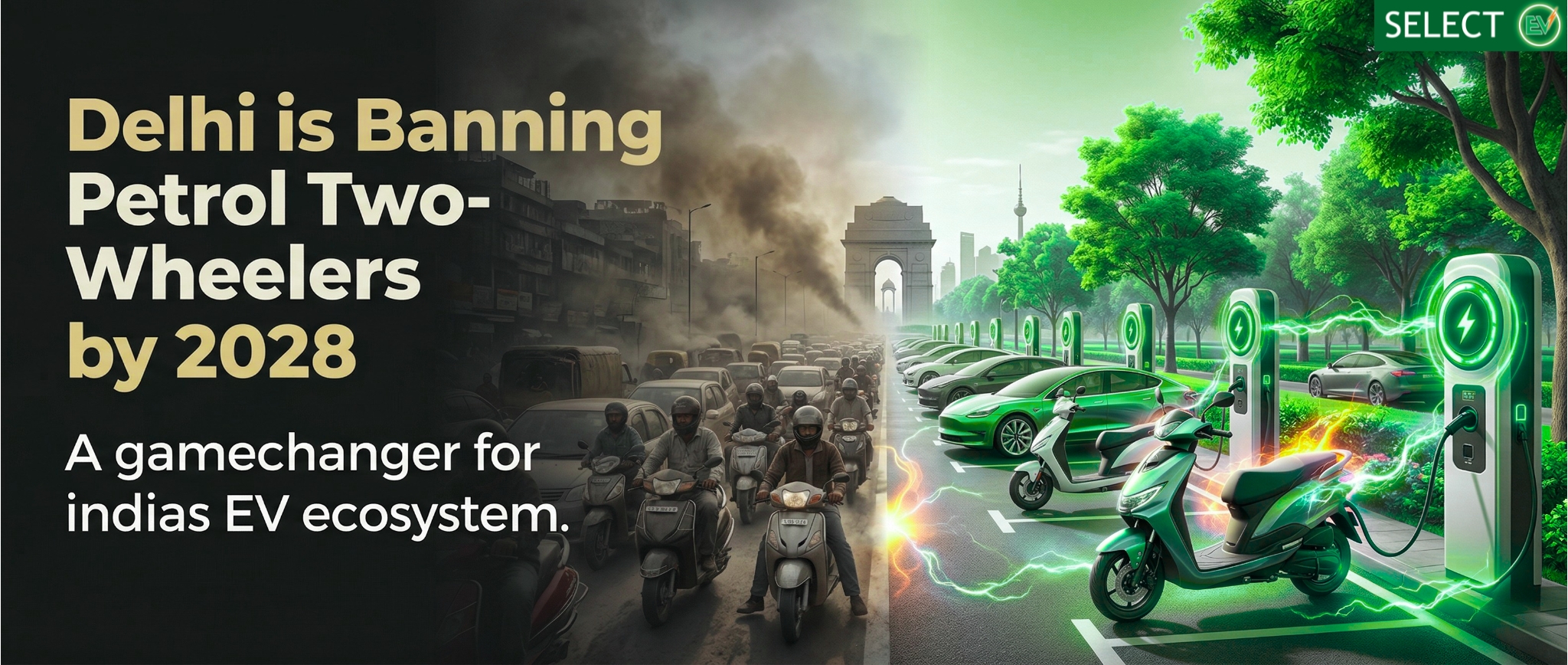
In a decisive move toward cleaner mobility, the Delhi Government has proposed a ban on new petrol-powered two-wheelers starting from April 1, 2028. Alongside this, a progressive EV policy is being drafted, offering subsidies of up to ₹30,000 for electric two-wheelers (e-2Ws).
This policy marks a significant milestone not just for Delhi, but for India’s broader electric vehicle (EV) transition. For platforms like Select EV, this shift represents both an opportunity and a responsibility to accelerate EV adoption across the country.
Why This Move Matters for India’s EV Future
Delhi has long struggled with air pollution and vehicular emissions. Two-wheelers contribute a major share of urban traffic and emissions. By targeting this segment:
- The government aims to reduce carbon emissions
- Improve urban air quality
- Encourage sustainable transportation habits
This policy strongly aligns with India’s EV roadmap and reinforces the transition toward electric mobility solutions, EV spare parts ecosystems, and charging infrastructure development.
Key Highlights of Delhi EV Policy 2028
1. Ban on Petrol Two-Wheelers (Effective April 1, 2028)
- No new petrol-powered two-wheelers will be registered
- Existing vehicles may continue under regulatory norms
- Complete shift toward electric two-wheelers (e-2Ws)
2. ₹30,000 Subsidy for Electric Two-Wheelers
- Direct financial incentive up to ₹30,000 subsidy on EV scooters and bikes
- Reduces upfront EV purchase cost
- Accelerates adoption of affordable electric vehicles in India
3. EV Infrastructure & Ecosystem Growth
- Expansion of EV charging stations across urban areas
- Boost for battery swapping technology
- Support for EV startups, manufacturers, and suppliers
Impact on Consumers: Why You Should Switch to EV Now
This EV policy creates strong benefits for Indian consumers:
- Lower Running Cost EVs: Electric vehicles cost significantly less per km than petrol vehicles
- Government EV Subsidies: Reduced purchase cost for electric scooters and bikes
- Future-Proof Investment: Petrol vehicles may face long-term restrictions
For urban commuters, EV adoption is becoming economically smart and environmentally essential.
Impact on Businesses & EV Industry Growth
The Delhi EV policy 2028 will reshape the Indian EV market:
- Surge in demand for electric two-wheelers in India
- Increased need for EV spare parts suppliers and distributors
- Rapid expansion of EV charging infrastructure businesses
- Growth opportunities for EV marketplaces like Select EV
Early adopters in the EV business ecosystem will gain a first-mover advantage.
Select EV: Your Trusted EV Marketplace in India
At Select EV, we are building a complete ecosystem for electric mobility in India. As EV demand rises, we ensure seamless access to everything businesses and consumers need.
Our Core Offerings:
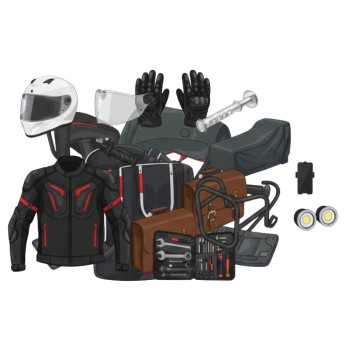
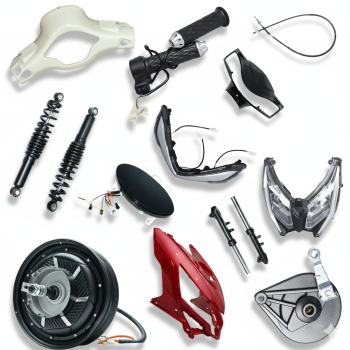
EV Spare Parts Marketplace
- Bulk availability of electric vehicle spare parts in India
- Genuine, high-quality EV components
- Reliable supply chain for dealers and businesses
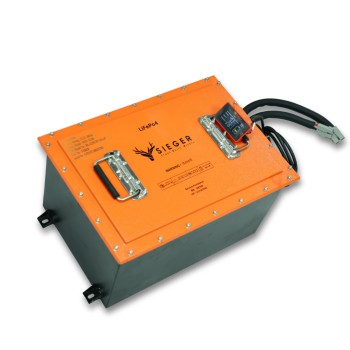
EV Batteries & Accessories
- Advanced EV batteries, chargers, and accessories
- Compatible solutions for multiple EV models
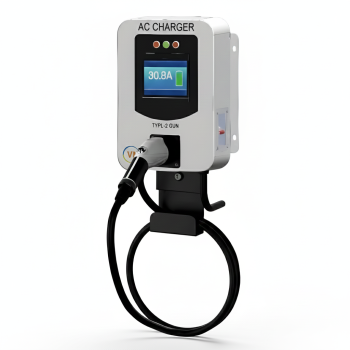
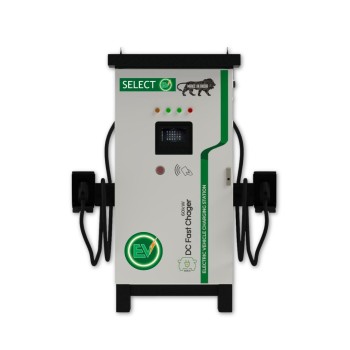
EV Charging Solutions
- Home EV chargers and commercial EV charging stations
- Scalable solutions for businesses and infrastructure projects
Bulk Ordering & Wholesale EV Supply
- Simplified procurement for EV dealers and distributors
- Competitive pricing for bulk EV components
With Select EV, businesses can avoid fragmented sourcing and access a one-stop EV platform in India.
Challenges in EV Adoption (And How We Solve Them)
While the policy is progressive, some key challenges remain:
- EV charging infrastructure scalability
- Consumer awareness and EV trust gap
- Battery lifecycle management and recycling
Select EV addresses these challenges by providing reliable products, infrastructure support, and a strong EV supply chain network.
The Road Ahead: India’s Electric Mobility Revolution
Delhi’s EV policy could become a blueprint for other states. As more regions adopt similar regulations:
- EV demand will surge nationwide
- EV infrastructure will scale rapidly
- India will move closer to a fully electrified transport system
This is not just a policy—it’s a transformation of India’s mobility ecosystem.
Conclusion
The Delhi petrol two-wheeler ban by 2028, combined with ₹30,000 EV subsidies, is a bold step toward a cleaner and smarter future. It unlocks massive opportunities for consumers, businesses, and EV platforms.
- For consumers: Switch to electric and save more
- For businesses: Enter the EV market early
- For industry leaders like Select EV: Lead the transformation
Select EV – India’s Leading EV Spare Parts, Battery & Charging Solutions Marketplace